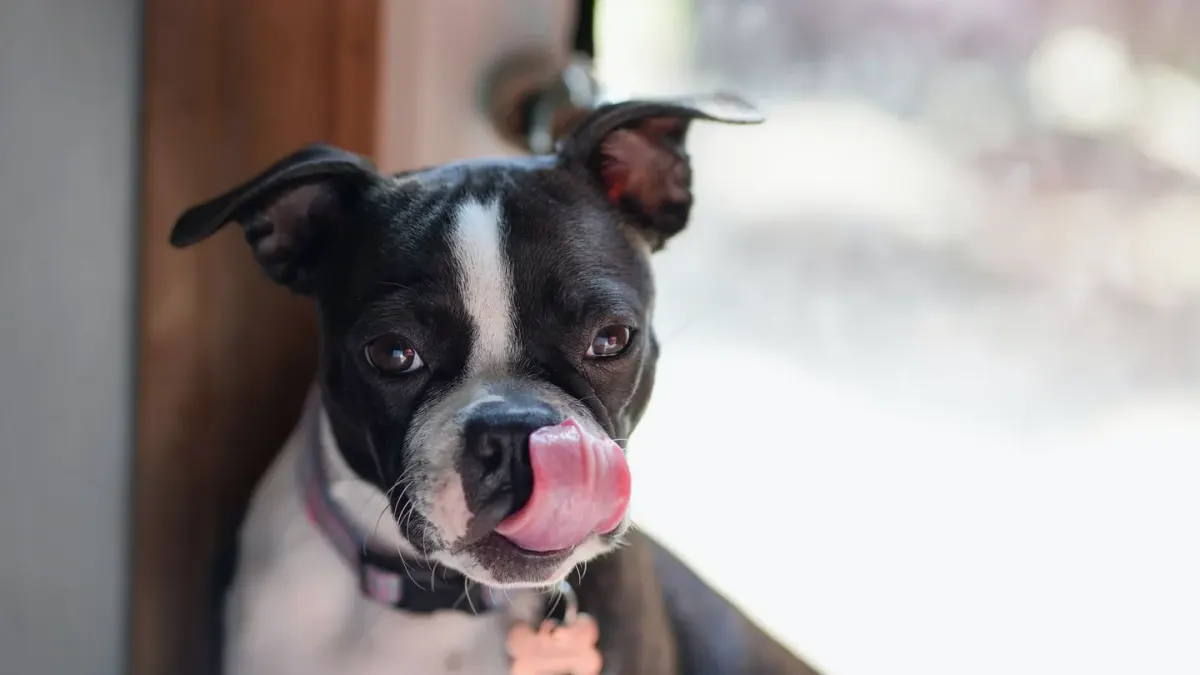
Donald started flipping tubs over after Cannoli, his 5-year-old neutered Jack Russell Terrier mix, had soft stools for 10 days in San Francisco and every label seemed to list a different Lactobacillus. It is a familiar moment for owners, and it deserves compassion before a recommendation, because the names look scientific but tell you little about what will still be alive at mealtime.
The surprising limitation is simple: most non-spore-forming ingredients arrive as fragile live cells, not tough spores. Strains like Lactobacillus acidophilus, Enterococcus faecium, Bifidobacterium animalis and Lactobacillus rhamnosus do not form a protective shell, so heat, moisture, oxygen and stomach acid can reduce viable numbers long before the best-by date. A label that lists five species with a big total CFU may still deliver far less live support than a simpler formula with honest handling and storage.
Vets often see the same confusion in practice. An owner compares two products, picks the 20 billion CFU option over the 3 billion option, then wonders why stools did not firm up. Total CFU at manufacture means little without strain identity, guaranteed CFU through expiration, and directions that protect viability.
Where non-spore strains lose strength first
Non-spore formers need help to stay alive. Freeze-drying, microencapsulation, nitrogen-flushed packaging, desiccants and cool, dry storage all support survival, while warm warehouses, clear jars, and once-daily scoops left open on a counter work against it.
That is why the National Center for Complementary and Integrative Health notes that probiotic effects are strain-specific and that viability through the end of shelf life matters more than the count on day one. The science here is still unsettled for dogs, and I would rather say that plainly than promise a strain will work because it works in people.

Look for a full strain designation, not just genus and species. Lactobacillus acidophilus DDS-1 is a different conversation than Lactobacillus acidophilus with no code at all. The NIH Office of Dietary Supplements explains this naming system and why dose, storage, and expiration guarantees belong on a careful label.
A balanced gut microbiome supports overall immune function, but that support depends on live organisms reaching the gut in adequate numbers.
Myths that make label reading harder than it should be
More strains means a stronger product. Not necessarily. Each added non-spore strain adds another stability question, and blends with six fragile species can underperform a well-tested one- or two-strain product.
Higher CFU always wins. Vanity CFU numbers without a through-expiration guarantee are marketing. A product guaranteeing 2 billion CFU per chew through expiration with third-party verification earns more trust than one claiming 30 billion at manufacture with no testing note.
It helps to track what you actually see at home. If you are starting a new formula, our guide to How to Tell if a Probiotic Is Working for Your Dog’s Stool gives a calm timeline for stool checks, and Signs Your Dog Needs a Probiotic: A Vet’s Whole-Patient Guide can help you decide whether a supplement fits the bigger picture.
A practical sequence for reading any non-spore label
Start at the Guaranteed Analysis or Supplement Facts panel, not the front. Write down each organism with its strain code, the CFU per serving guaranteed through expiration, and whether prebiotics like inulin or pumpkin fiber are listed by weight.
Pumpkin fiber is a gentle, natural source of both soluble and insoluble fiber, which may help support normal stool quality alongside a probiotic.
Then check handling. Is the package opaque and resealable, is there a desiccant, does the label say store in a cool dry place and avoid heat, and is there a lot number with a lab or NASC-style quality statement? When those details are missing, I pass.
Keep expectations steady.
For seniors with changing digestion, Do Senior Dogs Need to Change Their Probiotic Dose as They Age? walks through when to hold a dose and when to call your veterinarian. If stools stay loose, worsen, or include blood, vomiting, lethargy or weight loss, stop comparing labels and get examined promptly.
Frequently asked questions
Are non-spore-forming probiotics bad for dogs?
No. Strains like Lactobacillus and Bifidobacterium may help support normal digestion, but they are more sensitive to heat, moisture and acid, so strain identity and a through-expiration CFU guarantee matter.
What should I look for first on a non-spore label?
Look for the full strain code, CFU guaranteed through expiration per serving, opaque resealable packaging, clear storage directions, and third-party or independent quality verification.
Sources
- Probiotics: What You Need To Know — National Center for Complementary and Integrative Health
- Office of Dietary Supplements - Probiotics — NIH Office of Dietary Supplements